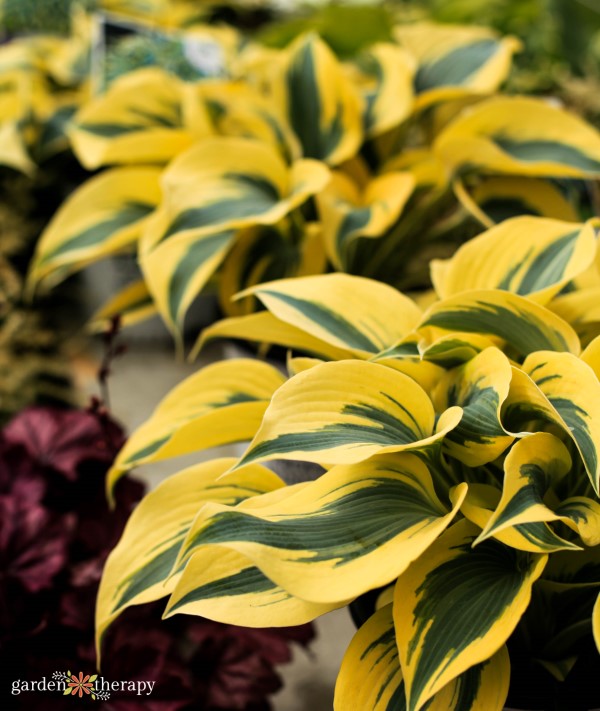
If you are looking for an easy care plant that brighten up the shade with gorgeous leafage and fragrant blooms thenHostasare the plants for you . These shade - kind perennials have spectacularly ornamental foliation in practically every color of park you could imagine , they come in a range of sizes from minuscule to gargantuan , they are hardy in zones 3 - 9 , and you ’ll be happy how prolifically they rise because you could corrode them ! If you are not already grow hostas in your garden , now is the time to bug out . This guide covers all that you need to know to grow , care for , and separate these lovely leafy mantrap .
Hosta Varieties in the Garden
Hosta spp . unremarkably know ashostas , plantain liliesandgiboshi ( Japan)are aboriginal to China , Korea , and Japan , and were first impart to North America in the early nineteenth C . There are 70 species of hostas and more than 3,000 varieties , with new single popping up every year . Hostas have been naturalize to have a great plenty of variety show in the foliage . The colour can graze from white , yellow , calcium hydroxide greenish , deep light-green , and down in the mouth . The leave can be
They turn from rhizomes which institutionalise out clandestine Caranx crysos to produce new plants . Hostas are shade - large-minded plants notable for their arresting decorative leafage and get in many varieties of size , build , grain , and coloring . They are perennial , very hardy , eatable , and ornamental — a nurseryman ’s aspiration !
Because Funka are so down in the mouth sustentation — they thrive in the shade and need very little attending — they are a wonderful flora for those who ca n’t exert themselves too much physically in the garden as well as first - time or “ pitch-dark - ovolo ” gardeners .

Foliage
genus Hosta are most roll in the hay for their attractive foliage . Leaves can be lancet - shaped , oval , circular , or heart - shaped , and come in gullible , white , yellow , gold , Ag , grim , and many dissimilar colorful diversification . Choose genus Funka for your garden base on what your figure needs are . Deep blue-blooded foliage on big leaves will ground the design and provide a background to prime and cosmetic leafage plants . genus Hosta with variegation , riffle edges , and a light - emblazon leaves will sum up focal points that lighten up the shade garden and add interest group .
Flowers
Hostas are mostly recognise for their striking leafage , but the peak are worth mention too ! Hosta flowers grow on shaft ( long , leafless halt ) protruding from the snapper of the plant . They flowers bloom in white , lavender , or purple , and some varieties have wonderfully fragrant blooms . The bloom are democratic with pollinators so do n’t be so warm to cut them back , although doing so will not hurt the works .
Hostas for Sun?
While each variety will have different sunlight tolerance , in general the assortment with light green , lime - green , and blank leaves need shade to thrive . genus Funka with a routine of gold or xanthous on the parting can sometimes tolerate more Lord’s Day . But do n’t trust the leaf people of color to severalise you if the works will do well in sunlight or shade , it ’s better to know the variety . Head overhere for a cracking listing of sun - tolerant genus Hosta .
Planting Hostas
industrial plant hostas in humus - copious , somewhat acidic soil that has good drain . allow for plentitude of room where you imbed them because hostas will spread and fill out the space around them . light and spring are the best times to transplant hostas . They can be successfully transplanted in the summertime as well , but they usually do better when the temperature are cool .
Dividing Hostas
Hostas divide quite easy , read to divide perennialsto see the step to do it . It is best to separate hostas in bound or fall as this is when they retain the most wet . Either divide them on a twenty-four hour period when the soil is already moist from rainfall , or water them well the solar day before you plan to dissever them .
Position your nigra in the soil nearby the ball of Funka you desire to divide , keep it far enough aside that you do n’t damage the roots very much . jab down underneath the rhizome ( the depth will vary greatly depend on the variety of hosta ) and gently lift out up a thumping of Funka . Gently throw off or encounter with your hand to remove grunge and then either pull or cut apart the clump . you could split up each case-by-case stem to make a lot of segmentation , or you could cut the entire clump in one-half or quarter for larger divisions .
Plant partition at the same depth that they were growing in before , lend compost or hummus - rich soil , and soak munificently with weewee .

Deer, Rabbits, Slugs LOVE Hostas
The biggest challenge you will have in your garden with genus Funka is all the wildlife that desire to enjoy them too . They are irresistible to deer , lapin , slugs , and escargot who ca n’t get enough of those sweet , sweet leaves . If you apportion your garden with cervid and rabbit , then there are a ton of home plate recipes and folklore you could endeavor to protect them , but the most effective deterrent is to fence them out . Slugs and snail legal injury is generally minimal if the plant are good for you and you keep the gastropod populations from getting out of hand . I set a cube of wood in the garden near the hostas for slugs and escargot to blot out under when the sun comes out . I simply lift the Sir Henry Joseph Wood and withdraw the slugs daily until I ’m not finding them .
Caring for Hostas
genus Funka like to be moist so piddle regularly , especially during the driest part of the year . However , if the foliage starts to yellow , this can be a sign of overwatering , so pay attention to what your genus Funka is telling you and water accordingly . Hostas are broadly wanton going industrial plant with great disease resistivity nor do they attract a lot of pests beyond the said critter who recognise how tasty they are . Because there are so many varieties , there is a hosta that works well in almost any eccentric of garden ! They are great in the footing or containers ; as groundcover or edges , as foundation plants or focal points .
Eat Them!
The hostas clumps get large each twelvemonth and great way to keep these prolific plant in their allotted space is to eat them ! That ’s correct , hostas are edible . The new springtime shoots are harvested from the outside of the plant life which keep them looking lovely in the landscape . Harvest the “ hostons ” ( the loop - up leaf shoot that poke up in the spring ) by snapping them off at the bag of the plant . ready them sauteed with a mizzle of sesame crude and soy sauce orroast them like The Backyard Forager does . Each genus Hosta variety has a different savour ranging from “ similar to spinach ” to “ asparagus - y ” to a “ somewhat bitter peapod taste . ” you may also eat the farewell , which are best boiled with a bit of salt , and the flower , which are unspoiled raw bestow to salads or as a cosmetic topper for patty or other sweet .
Perennials are the BEST! Here are More Perennial Articles for you
Share this post: