Donkey Ears , otherwise called Kalanchoe , make for a popular household plant because it is aesthetically pleasing and easy to care for . If your Kalanchoe is suffering from curling leaves , we ’ve researched these answers to help you accost this problem .
A Kalanchoe or Donkey Ear plant life with curled leaves is most likely infest by Aphids . aphid regurgitate quickly , so you need to pretend fast . To exculpate up the infestation , you need to do by your works with insecticidal soap for 2 - 3 weeks .
As we go further into this clause , you will understand about the various ways you could treat your Donkey Ear plant from aphids and other problems . If this is something that interests you , then keep reading !

How To Treat Your Donkey Ear Plant
The first thing you need to do to restore your Donkey Ears plant life to wellness is to get rid of the aphids infestation . Here are product you may employ to do this .
Insecticidal Spray
moderate out this insecticidal soap spraying on Amazon
This ready - to - utilise insecticidal easy lay is a 3 - in-1 gardening solution that gets rid of insect , and mite , and preclude fungous infection . It is made with Neem semen and is safe for both out-of-door and indoor flora . However , it is advised that you use the product in a small area at first to screen the works ’s sensitiveness to it .
If you opt to make your insecticidal liquid ecstasy mixture , The substructure ingredient are only soap and water . you could prefer to use them as it is or mix these 2 ingredients with a variety of other medium depending on your druthers .

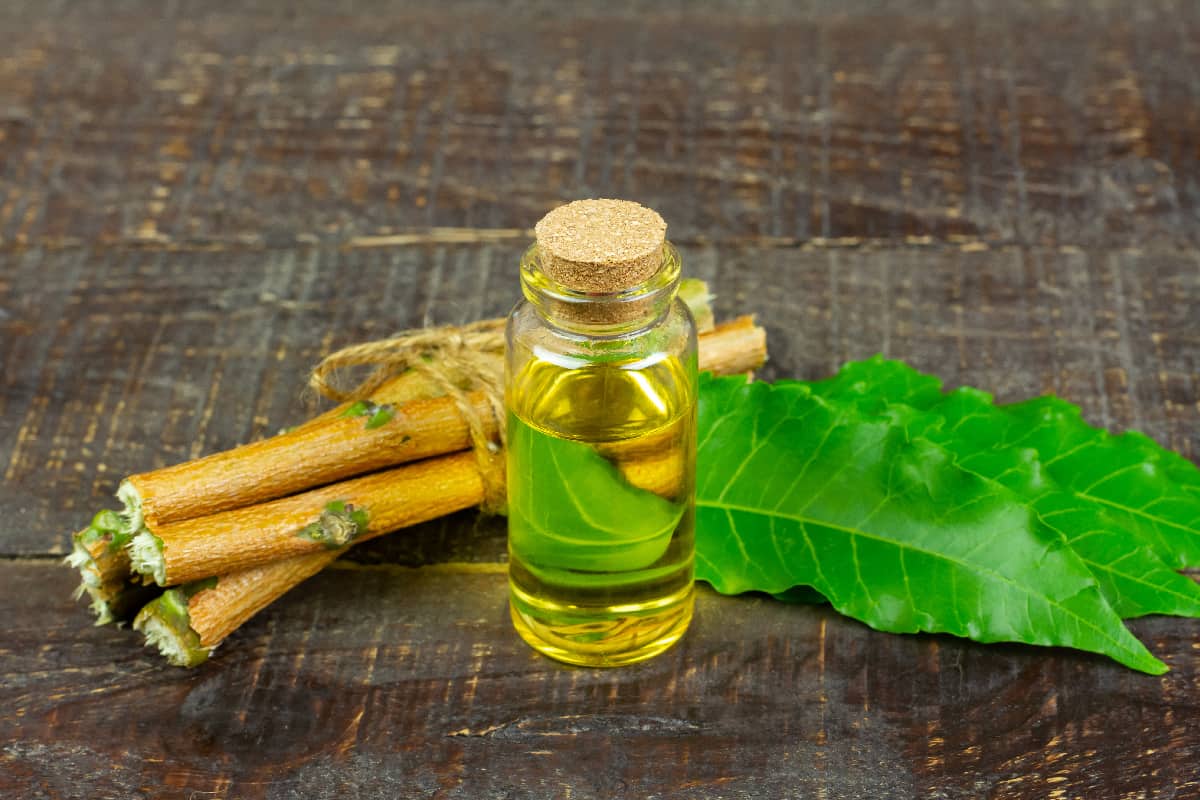
Neem Oil
While commercial neem oil insecticides are available , you could attempt and create yourhomemade version . For this , you will need to fuse 1 tablespoon neem crude oil with 5mL fluid dish aerial Georgia home boy and dilute it in 1L weewee .
Spray this solution on your garden and house industrial plant using a garden hose atomizer . It is favour that you becloud your plant life very early in the morning to avoid sun harm as this mixing is oil - found . For active plague , spray your plants once a week for 2 - 3 weeks .
Vinegar
Another natural aphid killer that you could DIY is a scoop , water , and acetum mixture .
To make this resolution , fuse 1 tablespoonful white vinegar with 1 tablespoon liquid dishwashing soap , and conflate it in 4L of piss . Use a sprayer bottle and lightly mist the industrial plant ’s leaves . Do not forget to cover the stem and the upper and undersides of the leaves .
Cayenne Pepper
Cayenne peppers make a good natural insecticide because of their by nature - occurring capsaicin . louse and mites are naturally repelled by this chemical .
Mix a taking into custody of cayenne pepper with 5mL liquid stunner soap and dilute in 946mL ( 1 quart ) water . Wipe or spray your plant life provide with this version every 2 - 3 days within 2 calendar week .
Vegetable Oil
Another spiritualist you’re able to use to mix with max and water isvegetable crude oil . To make this atomiser , you will call for 1 gallon of water . Distilled or tap ( not tough water ) is preferred to enhance the insecticidal effect . Then , mix in 37mL ( 2.5 tbsp . ) mild liquid soap and 37mL vegetable oil .
As an option to vegetable petroleum , you may make use of olive , grape vine , or cocoa palm oils . The crude oil and soap are of import elements that keep the solution staying long enough to work .
However , in creating these solution , be deliberate not to increase the ratio of the soap and crude more than what is recommended . Doing so can damage the foliage of the plant .

Once quick , teem the answer into a atomizer bottle and mist your plants . commix well . If you occur to have an excess of the solution , Do not leave them unused for more than a month . Otherwise , just make a fresh batch .
Caveat
Although the kalanchoe is not acknowledge to be a sensitive flora , there are still prophylactic measures we want to observe when applying insecticides :
What Are Other Indicators of Donkey Ear Plant Problems?
asunder from curl up leaf due to aphids , your Donkey ear plant may also sufferother types of illness . Here is a list of other indicators you want to watch out for when caring for Donkey pinna :
1. Dark, yellow, or tan leaves
keep the right level of soil moisture is important for your Donkey Ears to thrive . Overwatering your Donkey Ears will increase the chances of cap rot which is triggered by a fungus that thrives in waterlogged land .
When your works is infect , its folio turn dark , yellow , or tan . At the early stage of treetop rot , you will acknowledge wry rotting at the bottom part of the plant life .
Infected industrial plant can not be treated but you could discontinue the infection from spread out to other plants . To do this , you will have to cast away the infected plant and cover your pot mix with fungicides . Your dirt admixture and type of pot should also allow extra water system to effectively drain to avoid waterlogging .

2. Yellow and wilting leaves
There are two possible culprits for yellow and wilting Kalanchoe leaves .
Another source of worry for your Kalanchoe is an airborne fungous infection called powdery mildew . This fungus infect the shank , fruits , flowers , and foliage of plants and manifest as white-hot or gray spots . Plants in areas with inadequate sunlight and aeration are the most susceptible to powdery mould .
Infected Kalanchoe plants exhibit withered and yellow leaves , and slowed growth . The powdery mold engage water system and nutrients from the industrial plant and give it untreated will finally drink down it .
address your plant from mildew infection with fungicides that contain sulfur or a potassium hydrogen carbonate mixture .
To ready this , mix in 2.5mL soap ( Castilla or coconut meat ) and 15mL potassium bicarbonate in a congius of water . To prevent mould infection , countenance the Kalanchoe get at least 6 hours of partial sunlight .
If it ’s not mould that ’s cause your Donkey Ear plant leaves to yellow and wilt , then another potential perpetrator is mealy bug . These soft , ellipse - mold , wax - covered pests feed on plant juices and are usually present in warm and moist place .

Getting rid of mealybugs can be tricky for the follow reasons :
To effectively remove mealybugs and avoid an infestation , keep apart the septic plant first . Swab theinfected plantwith alcohol - dunk cotton plant globe .
Next , blend 1 cup of intoxicant with a few drops of dishwashing grievous bodily harm into a dry quart of pee and spray all over the plant . Spray on hard - to - reach places and the underside of the leaves .

you’re able to also spray neem oil to kill mealybugs . check that to swarm neem oil color on the potting intermixture as well to get the ace possibly hiding in the grime .
3. Black roots
Black roots are decompose root due to fungal contagion . The fungus that causes root moulder thrives on overwatered soil with a poor draining organisation . Diagnosing root guff may be hard since the root are not seeable . You will plausibly only discover the problem once the stem starts to blacken as well .
you may still attempt to spare your Donkey Ear plant from origin rotting by trimming off the blackened parts . Do not reprocess the old potting mix . rather , replant your Kalanchoe in fresh clean soil . Take Federal Reserve note to irrigate your Kalanchoe only when the airfoil of the soil is dry . This will help you void overwatering .
4. Yellow spots, streaks, and webbed leaves
Another plant - feeding blighter you want to find out out for is spider touch . These pale red , oval pest can be unvoiced to espy since they hide on the underside of the leaves . you may suspect spider mite infestation if your works leaves have yellow bit and streak with small web on them .
Fortunately , they are well didder off . To confirm an infestation , try judder your works leaves and catch the spider tinge with a bloodless piece of newspaper .
Here are other ways to get rid of wanderer mites from your flora :

In Closing
Donkey Ear plants make undecomposed theater plants because they do not require much tending . But should you witness yourself in a bind with treating your Kalanchoe of its infestations and pests , just pursue the steps on how to address the issues properly .
Other related to topics :
Why Is My Kalanchoe Dying ?

How To Propagate A Donkey Ear Plant [ Step By Step Guide ]
