PERENNIALS > genus Euphorbia
IN THIS GUIDE
EUPHORBIA GUIDES

PropagationPruningVarieties
Euphorbia is a genus of plant that can offer a lot to gardeners .
staggeringly divers , this genus provides plants of a range of condition and size of it for a wide-cut range of locations , indoors and alfresco in a garden .
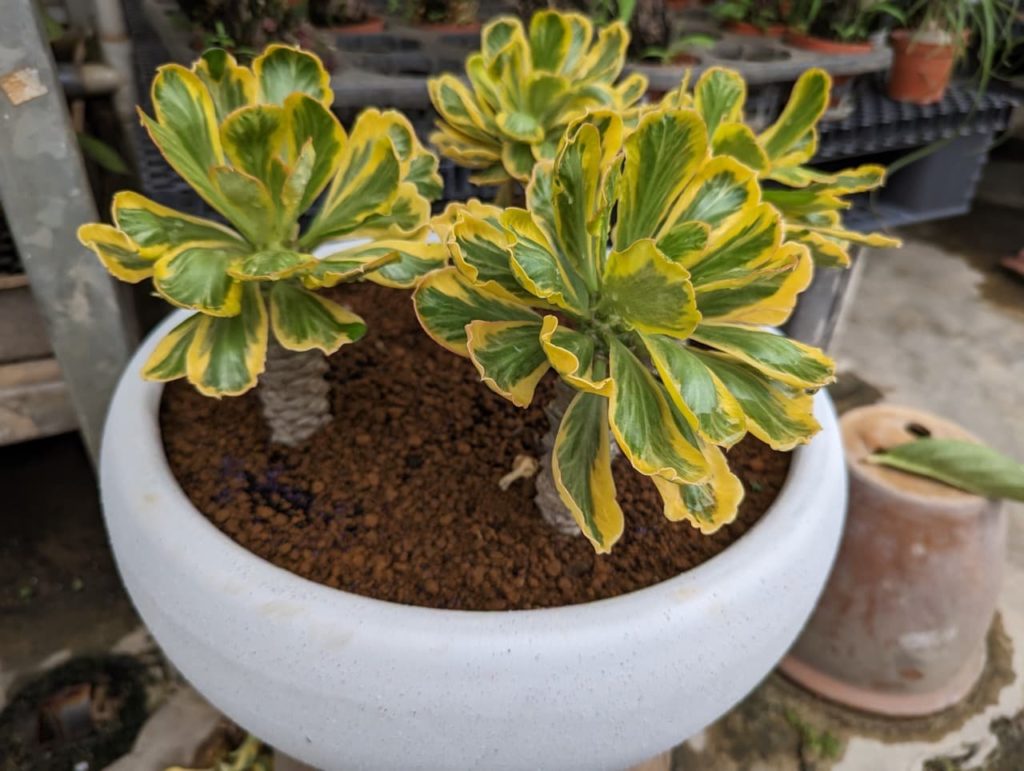
Euphorbia poissonii‘Variegata’
Across our Euphorbia guides , we ’ve collaborated withDarren Evans , Plant Manager at Pugh ’s Cacti .
“ I have a go at it Euphorbias as they can be weird and wonderful , ” he says .
“ Some are classify as succulents but have spine that resemble a cactus , so it ’s the best of both worlds . ”
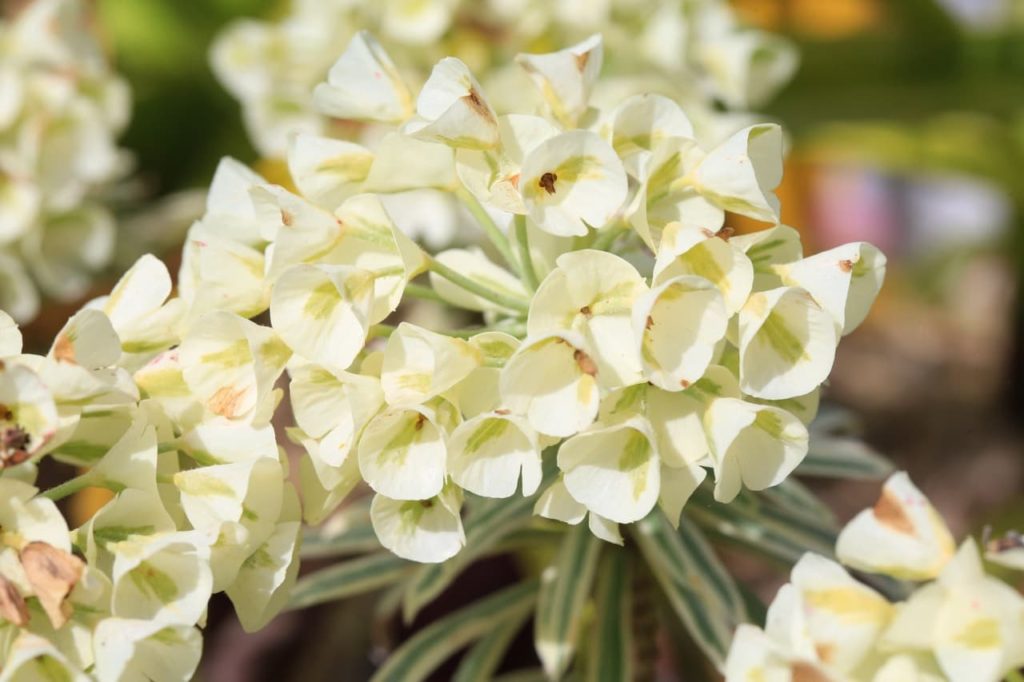
E. characias
Overview
PreferredVaries
ExposureVaries
HeightVaries

E. characiassubsp.wulfenii
SpreadVaries
Bloom TimeSummer or Autumn
MoistureVaries

E. lathyris
pHAny
Euphorbias can be useful and attractive plants .
One of the most authoritative thing to understand about Euphorbias , or ‘ spurges ’ as they are sometimes known , is that they dissent greatly in their characteristics and growing necessary , so it is crucial to choose carefully .

Euphorbia schillingii
There are Euphorbias that are annuals , perennials , shrubs , succulent and even some that love moist conditions .
“ With succulent Euphorbia , you give them care at certain times of the twelvemonth and after that , you may just pass on them to do their thing and flourish , ” share Darren .
“ They can be leisurely to develop with a dewy-eyed compost intermixture , good deal of light and even watering when require .

E. neriifolia
“ In return , they will repay you with beautiful flowers , elegant spines and wonderful shapes . ”
There is a euphorbia for full sun and for shade , for use as a houseplant and as much hardier plants for class - round outdoor culture .
How To Grow Euphorbia
select the right Euphorbia for the conditions where you want it to grow is the first and most significant gradation in produce them successfully where you hold out .
When it comes to hardiness , plants within this genus range from tender to fully hardy , even in the UK during the coldest winters .
It can be helpful then to separate Euphorbias into garden Euphorbias ( those hardy enough to farm outside ) and indoor or nursery Euphorbias , which are not hardy enough to rest outside through the year and must be cultivated as houseplant or undercover .
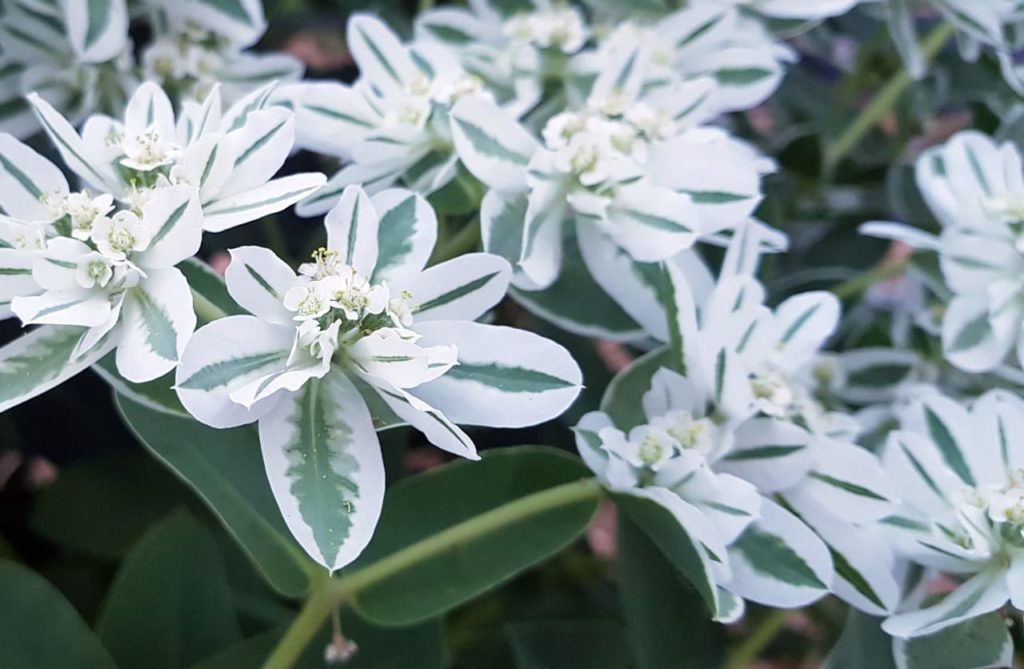
Euphorbia marginata‘Pursh’
Tender houseplant Euphorbias can be small balls or large forficate shrub .
These typically grow well in sun - bake conservatory throughout the yr , though they can often be come in alfresco during the peak of summertime .
Popular poinsettias are a member of this groupand are commonly develop around Christmas .

E. milii
Other exemplar areE. milii , E. miliivar . splendens , E. horrida , andE. obesa .
Typically succulent in form and resemble cacti , these deliver small resemblance to Euphorbias usually grown outside in a garden .
Garden Euphorbia are all fearless enough to be raise outdoors in UK garden .
However , even these works differ greatly from one another .
These Euphorbias can be subdivided again into those that wish to be spring up in full Dominicus and those that love nuance .
Sun - loving spurges are mostly either herbaceous perennials that pass back in winter and send up fresh growth each spring or have a lasting shrubby model of branches .
There are also some annual Euphorbias for full Lord’s Day that finish their lifecycles in a individual year .
Some example of sunlight - loving spurge includeE. characias , E. griffithii , E. mellifera , E. palustrisandE. rigida .
“ My favourite Euphorbia isE. mellifera , also know as dear spurge , ” articulate Master Horticulturist Colin Skelly .
“ It will grow to around 2 m marvellous and wide when thrive and can be grow in full sun or partial shade and in a reach of soil types as long as free draining .
“ It is loved by pollinators and has a pleasant fragrance . It can be prune back in saltation if needed . It is frost - audacious in all but the coldest parts of the UK . ”
Most of these really do sound with excellent drain and wo n’t stick out waterlogging at all , butE. griffithiiandE. palustrisare content in damp soil .
Annuals includeE. lathyris , E. marginata , andE. oblongata .
tocopherol griffithiican also cope well with dappled shade andE. amygdaloidesandE. amygdaloidesvar . robbiaeare also Euphorbias that are kind of dappled shade .
These Euphorbias will not like filth that dries out too to a fault and in some case in full Lord’s Day , the flowers and foliage of these plants can scorch .
Sun - loving Euphorbias will tend to do well with a south - facing aspect , while those that thrive in partial or mottled shade do well with an east or west - facing view .
Garden Euphorbias differ not only in their sunlight requirements but also in their preferred soil type and soil condition .
Some Euphorbias , such asE. cornigeraandE. schillingii , will rise well in most soil type as long as they do not become waterlogged .
Euphorbia such asE. characiassubsp.wulfeniiandE. rigidado best in sandy soils that are free - draining .
Among those thatgrow well in part shade , E. amygdaloidesvar.robbiaeis a in effect option for dry ghost , whileE. palustrisis an example of one Euphorbia that can work in damp land .
It is , of course , important to make certain that you understand the needs of the finicky Euphorbia that you are endeavor to grow before selecting and train a planting site .
Euphorbia Planting
Euphorbias are commonly sell as potted plant , either as minor plants in outpouring or larger plant that are often in prime in summer or early fall .
Mostly , these plants get in 1 or 2 - litre pots , though sometimes plants in 9 cm wide wad are available .
Garden Euphorbias are well plant out in a garden in the spring , once the weather condition begins to warm .
This is the good meter for planting because it allow the plant to establish quickly while the soil is comparatively dampish and put on wad of growth during warmer weather .
To found a Euphorbia in the land , simply hollow a hole larger than the existing theme of the plant , place the plant in this hole , firm the soil back around it and irrigate it in well .
In many fount , the gain of constitutive mulcharound the plant can be beneficial .
Some Euphorbias are become to container growing .
These can thrive in the innocent - draining conditions that a desirable container can furnish .
Mix a potting medium withthree - parts loam - based compostto one - part gritrock to keep these plants happy .
Euphorbia Plant Care
Euphorbias require very different care depending on the specific types and varieties you have chosen and where they are growing .
Some take a lot more prison term and effort , while others can be relatively downcast - maintenance and gentle plants to grow .
Garden Euphorbias typically require to be watered well during administration for their first couple of grow seasons , after which natural rain will typically be sufficient , as the plants can often have reasonable drought tolerance .
However , if you are growing euphorbias in container , indoors or outside , lacrimation will be a job that you will have to continue to undertake throughout the year from leaping to fall .
The finish is typically to verify that the growing medium remain moist yet not waterlogged and never dries out completely during the grow time of year .
Euphorbias tolerate poor fertility rather well and they do not typically postulate to be fed at all .
In fact , feeding can be counterproductive because plants that are in too deep a grease or produce medium can become leggy .
Euphorbias are often blissfully trouble - liberal plants .
However , they can develop a routine of minor issues , especially if environmental shape or upkeep were not quite right .
Common problem include root rot ( when originate in wet soils ) , powdery mildew , rust disease and aphids .
