Peanuts are a popular collation all around the world , loved for their crunchy grain and nutty flavor . However , many people may not get laid where peanut actually come from . Do peanuts grow under the ground ? The solvent is yes , monkey nut do get underground , but the appendage of their growth is a bite more complicated than that .
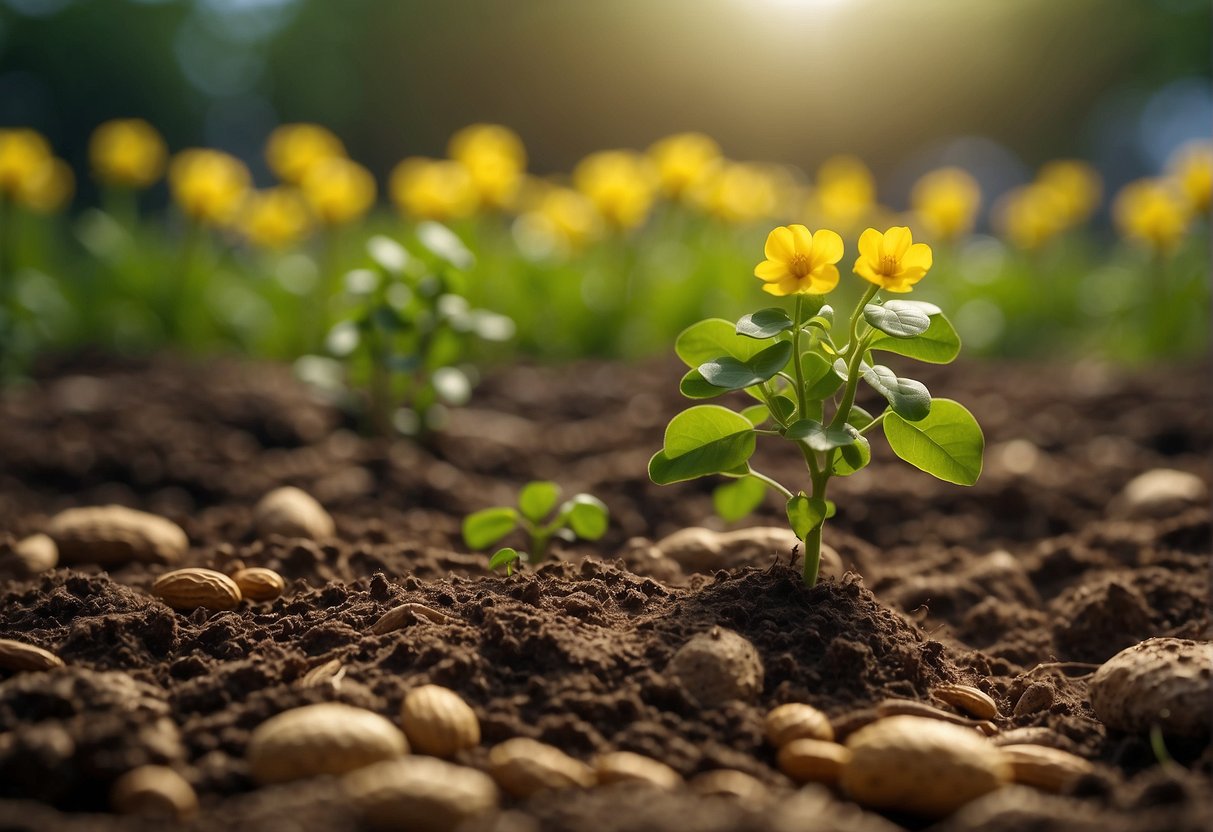
The peanut plant life is a unique member of the legume family , and it spring up in a fascinating path . The plant begins as a belittled yellow peak that eventually grow into a fore that can gain up to 18 inches grandiloquent . Once the flower is pollinated , it begins to develop a low pin that pushes down into the soil . This peg eventually becomes the peanut pod , which grows underground .
So while peanuts do develop underground , they actually begin their growth above the ground . see thegrowth processof the peanut industrial plant can help oneself us appreciate the journey that these tasty snacks take from the sphere to our denture .

Peanut Plant Characteristics
Plant Structure
Peanut plantsbelong to the legume family and have a unique structure that sets them apart from other plants . The plant has a central fore with leaves that are arrange in an alternate practice . The leaves are pinnate , meaning that they have multiple leaflets bond to a primal stem . The plant can grow up to 2 fundament marvellous and has a taproot system that can extend up to 4 feet deep into the stain .
One of the most unique characteristic of the peanut plant is the way it produces flowers . The bloom are produced on stubble that extend from the base of the plant and grow towards the ground . The flowers are ego - pollinating and have both male and distaff parts .
Growth Cycle
The groundnut plant has a singular growth cycle that take approximately 120 to 150 days to make out . The plant begins as a seed , which is planted in the grime during the bounce . The seed develop and commence to uprise , bring on a little industrial plant that finally develops into a ripe plant .
During the growth bicycle , the plant produces yellow bloom that eventually flex into pods . The seedcase farm underground and contain the peanuts . The works continues to grow and develop until it reaches maturity , at which point in time the leaves start to turn yellow and fall off .
Once the works has reach maturity , the sodbuster can glean the groundnut . The earthnut are compass up from the primer and allow to dry before they are processed and sold .

Overall , the peanut plant is a enthralling plant with alone characteristics that make it stomach out from other plant . Its taproot system of rules , self - pollinate flowers , and underground pods make it an interesting plant to study and farm .
Cultivation Practices
Soil Preparation
Peanuts requirewell - drain soilwith a pH cooking stove of 5.8 to 6.2 . Before planting , the soil should be prepared by take out sess , rocks , and debris . The soil should also be till to a astuteness of 6 to 8 inches to relax it and ameliorate aeration . If the dirt is weighty , adding organic subject such as compost or manure can improve drain and fertility .
Planting and Irrigation
peanut vine are typically planted in row that are 30 to 36 inches aside , with seeds spaced 2 to 4 inches apart in the dustup . The seeds should be planted 1 to 2 in mystifying , depending on soil wet . After planting , the soil should be water thoroughly to ensure honorable come - to - soil touch .
Once the plants have emerged , they should be irrigated on a regular basis to check fair to middling wet . Peanuts take about 1 to 1.5 inches of water per workweek , bet on the conditions weather . Overwatering can head to disease and decreased output , so it is significant to monitor grunge moisture levels and adjust irrigation accordingly .
Pest Management
Peanuts are susceptible to a variety of pests , include aphids , thrips , and mites . Pest management scheme include harvest rotary motion , exercise of resistant varieties , and software of pesticides when necessary . It is important to keep an eye on label instruction when using pesticides and to avoid hold them during efflorescence , as this can harm pollinators .
In addition to pests , peanuts are also vulnerable to fungal diseases such as folio spot and pod rot . To keep these disease , it is important to practice good crop management , let in proper irrigation and fertilization , and to nullify planting in area with a history of disease . antimycotic may also be used to hold in fungal disease , but should be go for according to label instructions and in alignment with other disease direction practices .
Harvesting Process
Peanuts are harvested when the plant life have matured and the leaves have turned chickenhearted . The harvesting process involves pulling the total works out of the reason , shaking the extra land off the roots , and then inverting the works to allow it to dry in the Dominicus for a few days .
From Pegs to Pods
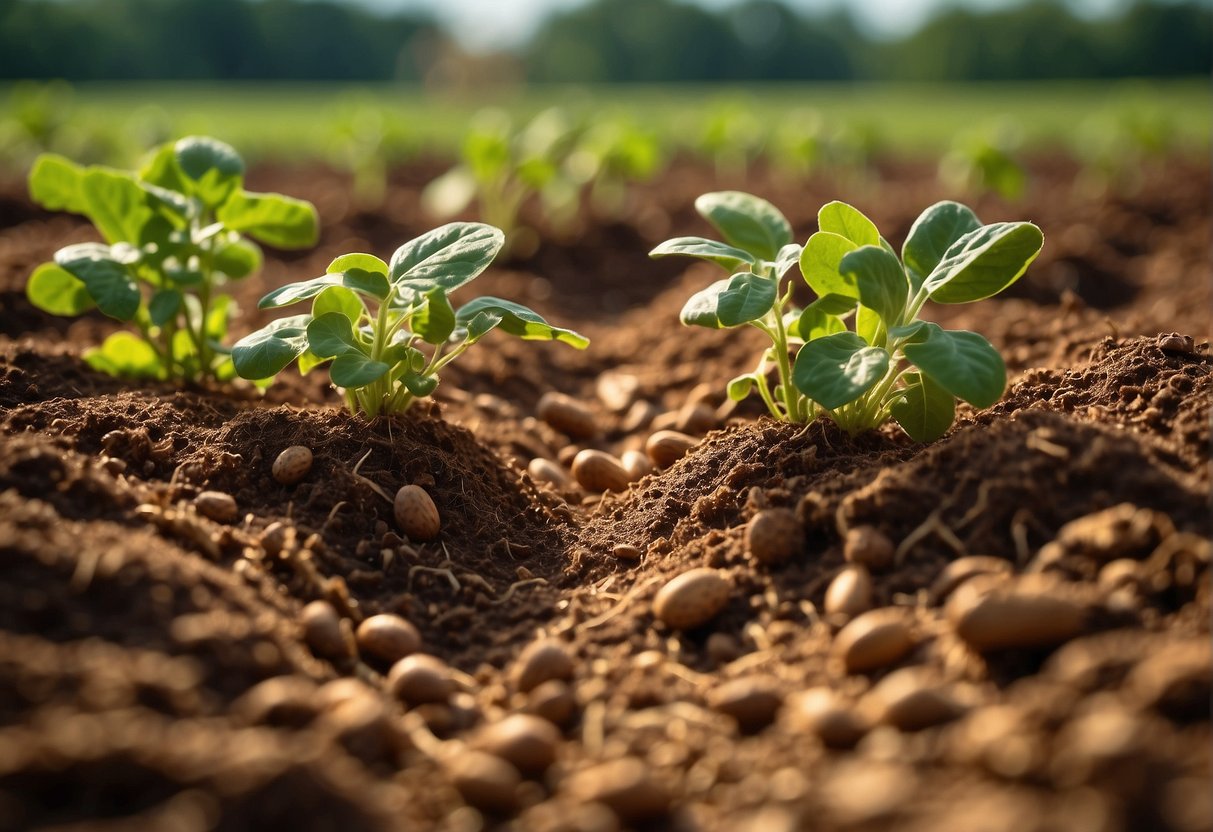
Peanuts grow underground and are attached to the plant life by pegs . The oarlock are small fore that grow out of the base of the flower and pervade the grease . As the Arachis hypogaea matures , the peg elongate and push the developing pod underground .
When the peanut is ready to be glean , the pin will lead off to turn yellow and the leave-taking of the plant will lead off to wilt . The sodbuster will then use a combine to pull the entire works out of the primer coat .
Drying and Storage
After the plants have been harvested , they are leave in the sunlight to dry for a few twenty-four hours . This allows the pods to dry out and makes them easy to separate from the nog .
Once the pod have been removed from the industrial plant , they are loaded onto a dry out wagon and taken to a drying facility . The pods are then dried in a heated elbow room until they pass a moisture mental object of around 10 % .
After the pods have been dried , they are stored in a cool , juiceless home until they are ready to be process . The pod can be stored for up to a twelvemonth without losing their quality .
Nutritional and Economic Value
Health Benefits
groundnut are a rich root of nutrients , including protein , fiber , healthy adipose tissue , and various vitamin and mineral . They are also gamey in antioxidant , which serve protect against oxidative terms stimulate by devoid radicals . peanut are a good reservoir of calcium , which is authoritative for potent bones and tooth . In addition , they contain vitamin vitamin E , which is indispensable for good for you tegument and eyes .
inquiry has also shown that take peanuts may have several health benefits . For example , studies have found thateating peanutsmay serve lour cholesterol level and reduce the risk of exposure of eye disease . They may also aid regulate rip sugar level and reduce the risk of case 2 diabetes .
Peanut Products and Market
monkey nut are an important crop worldwide and are used in a variety of Cartesian product . Peanut butter is one of the most popular peanut products and is take in by millions of people around the world . Peanuts are also used in confect , bite , and parched good . In addition , they are used in the production of oil , which is used in cooking and as a reservoir of fuel .
The monkey nut market is a significant part of the agricultural economy , with many nation producing and exporting peanuts . The United States is one of the largest producers of peanuts , follow by China , India , and Nigeria . The demand for peanut and peanut products continues to acquire , making it an significant craw for farmers and a valuable commodity for consumer .
In conclusion , earthnut are a nutritious and versatile harvest that provides a stove of wellness benefits and economical time value . With their high nutritionary substance and popularity in the grocery store , it is clear that peanuts will continue to play an significant part in the agricultural and food industries .
Global Peanut Production
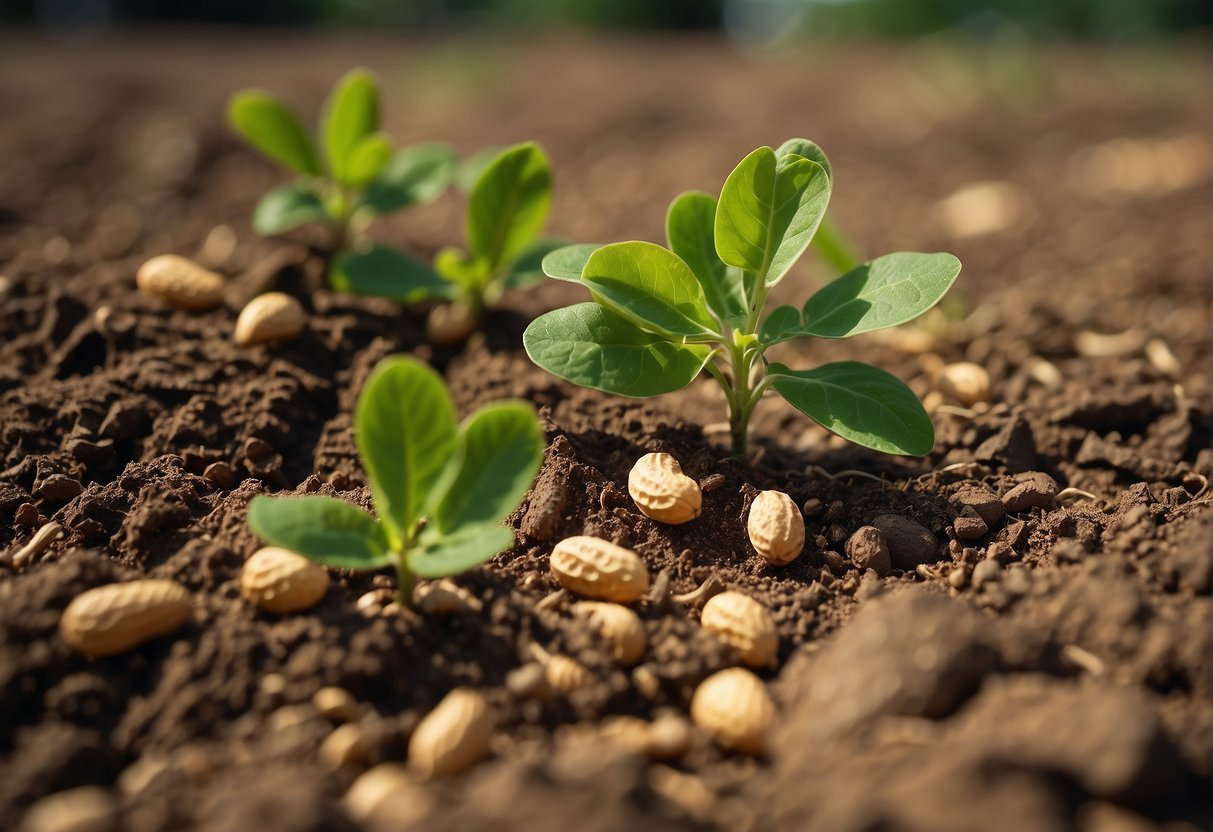
Peanuts are one of the most widely rise crops in the populace , with a full production of over 44 million metric wads in 2020 . The majority of peanut yield occurs in prepare countries , specially in Africa and Asia .
Major Peanut Producing Countries
The top five peanut producing countries in the globe are China , India , Nigeria , the United States , and Sudan . These countries together account for over 70 % of the humans ’s peanut yield .
China is the largest peanut producer in the world , account for approximately one - third of global production . The country ’s goober pea production is concentrated in the Shandong , Henan , and Liaoning provinces .
India is the second - largest monkey nut producer in the world , with the majority of production reduce in the states of Gujarat , Tamil Nadu , and Andhra Pradesh . The area export a significant portion of its peanut craw to other country .
Nigeria is the orotund peanut manufacturer in Africa and the third - enceinte in the world . The country ’s monkey nut production is reduce in the northern region , peculiarly in the states of Kano , Kaduna , and Bauchi .
The United States is the fourth - largest peanut manufacturer in the world , with the legal age of production concentrated in the southern country of Georgia , Florida , Alabama , and Texas . The country is also a major exporter of peanut .
Sudan is the fifth - large groundnut manufacturer in the world , with the bulk of production concentrated in the western area of the country . The country ’s peanut crop is primarily used for domestic consumption .
Overall , peanut production is an important industry in many developing countries and plays a meaning character in global solid food security .
Frequently Asked Questions
How are peanuts cultivated and collected from the soil?
peanut are typically grown in strong climates with well - drained soils . The plants are first cultivated by planting seeds in the soil , which then grow into a mature industrial plant with yellow flowers . After pollination , the flowers will wilt and the plant will begin to produce pods that grow underground . Once the plant has matured , the pods are harvested by digging them up from the soil .
What is the legal status of growing peanuts in certain areas?
The legality of growing peanuts vary count on the area . In some areas , permits may be postulate to grow peanuts due to concerns about environmental encroachment or possible crop legal injury . It is significant to check with local authorities to control that all regulations are being followed .
What is the growth cycle duration for a peanut plant?
The maturation cycle for a goober pea plant typically lasts around 120 to 150 days . During this time , the works will undergo several stages of ontogenesis , including inflorescence and pod development . Once the pods have matured , they can be harvest and processed into various peanut products .
Can peanuts be found growing naturally in specific regions?
Peanuts are not typically found growing naturally in the state of nature . Instead , they are cultivated by farmers in specific regions where the climate and soil shape are suited for growth .
Do peanuts share the same underground growth characteristics as tubers like potatoes?
While monkey nut do grow underground , they are not classified as tubers like potato . rather , peanuts are classified as legume , which entail they are part of the same family as bonce and peas .
Are peanuts unique in their subterranean development compared to other nuts?
Peanuts are unique in their subterranean developing liken to other nuts , as they are the only nut that raise underground . Other ball , such as almonds and walnut tree , turn on tree above reason .
